





.svg)




.svg)
About service/who does it
Physiotherapy is a science-based healthcare profession that restores, maintains, and maximizes movement, function, and overall well-being. It uses evidence-based techniques—including exercise, manual therapy, education, and advice—to treat injury, illness, or disability. It takes a holistic, "whole person" approach to rehabilitation and pain management.
At the core is the patient’s involvement in their own care, through education, awareness, empowerment and participation in their treatment.
You can benefit from physiotherapy at any time in your life. Physiotherapy helps with back pain or sudden injury, managing long-term medical condition such as asthma, and in preparing for childbirth or a sporting event.
Our physiotherapists Chris Young and Stephen Mawhinney both use a variety of specific techniques to help you reduce pain and return to normal life. Stephen has a particular interest in football injury and currently serves as the Bangor FC first team physiotherapist. Chris has a interest in combat sports and has worked alongside local combat athletes.
How it can help
A physiotherapist is a highly trained specialist. To become a physiotherapist, the professional will have attained a degree through university or a degree apprenticeship and have registered with the Health and Care Professions Council (HCPC). So, you can rest assured that all physiotherapists in the UK are accredited and regulated.
The role is all about health and wellness, helping patients (like you) to maintain freedom through restoring movement and function. Our physiotherapists in Bangor aim to get you moving well and living pain-free.
Main conditions treated
- aches and pains
- arthritic pain
- backache
back pain - circulatory problems
- cramp
- digestion problems
- joint pains
- lumbago
- muscle spasms
- neuralgia
- fibromyalgia
- minor sports injuries
- tensions
What to expect
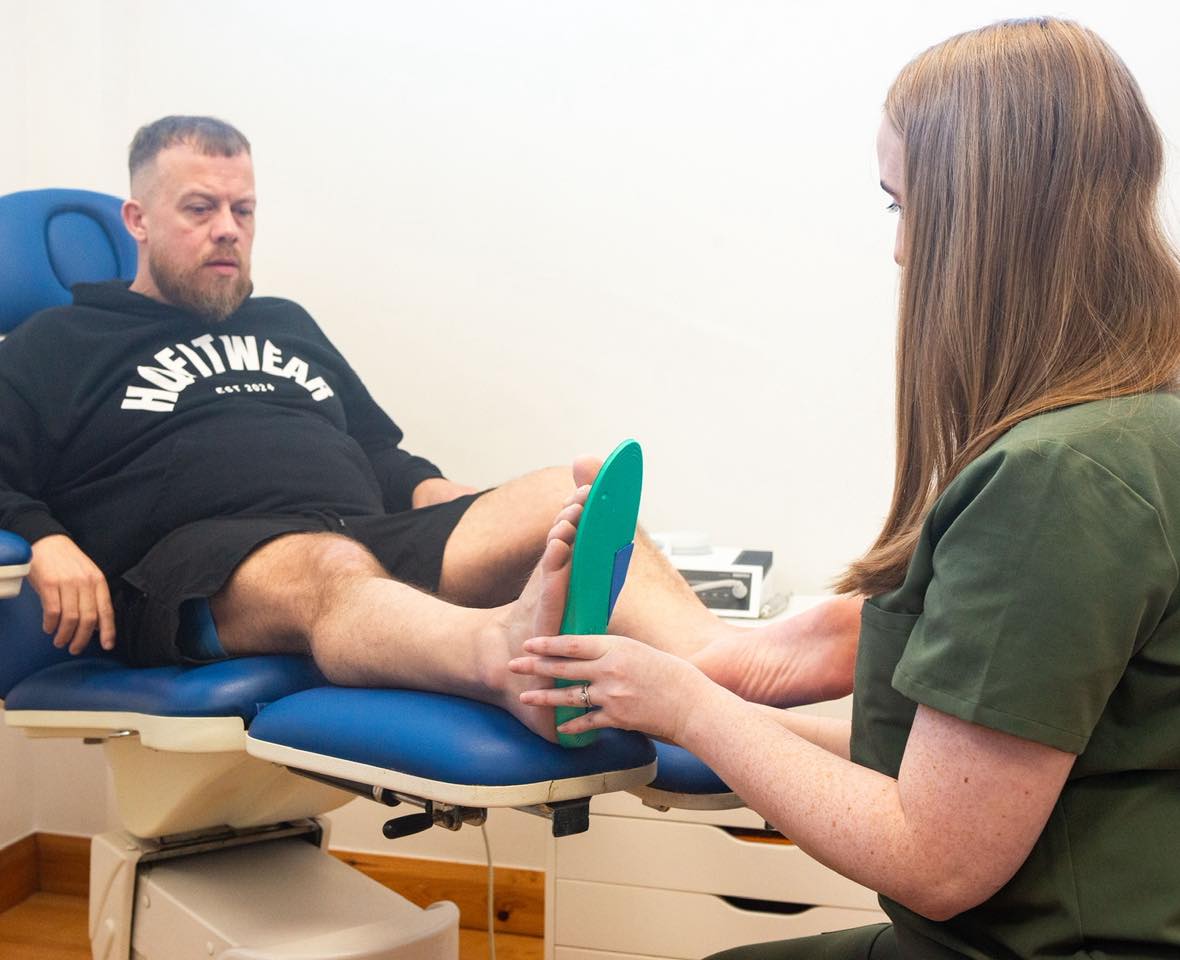
On your first session the Physiotherapist will spend a full hour with you in order to diagnose and formulate a plan to get you out of pain and back to every day life. Within this hour they will perform medical history, a full physical examination (wear something you are comfortable to move in). Depending on your diagnosis and plan of management, your physiotherapist may treat on the first visit, but this is up to the discretion of the physiotherapist based on the presentation.
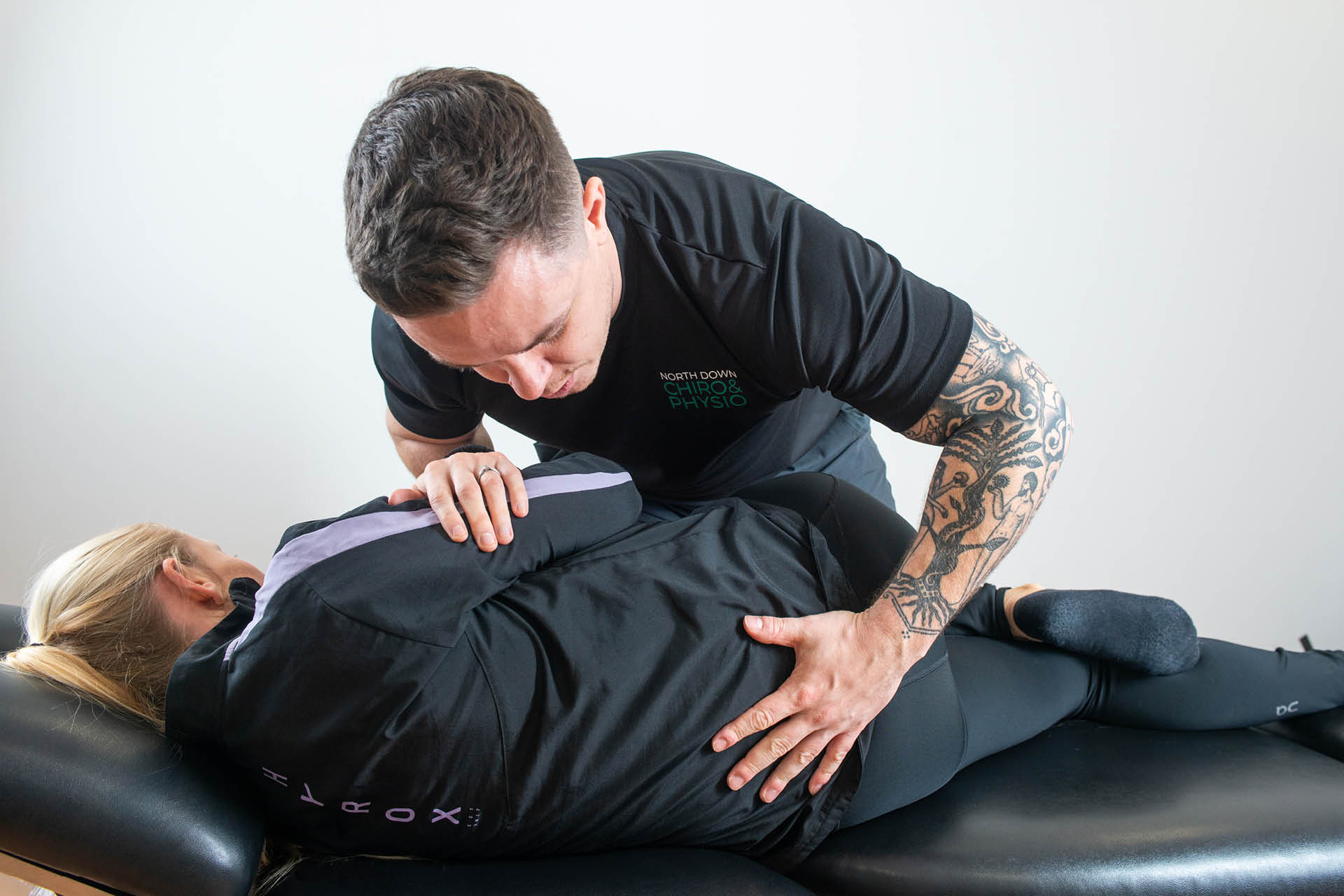
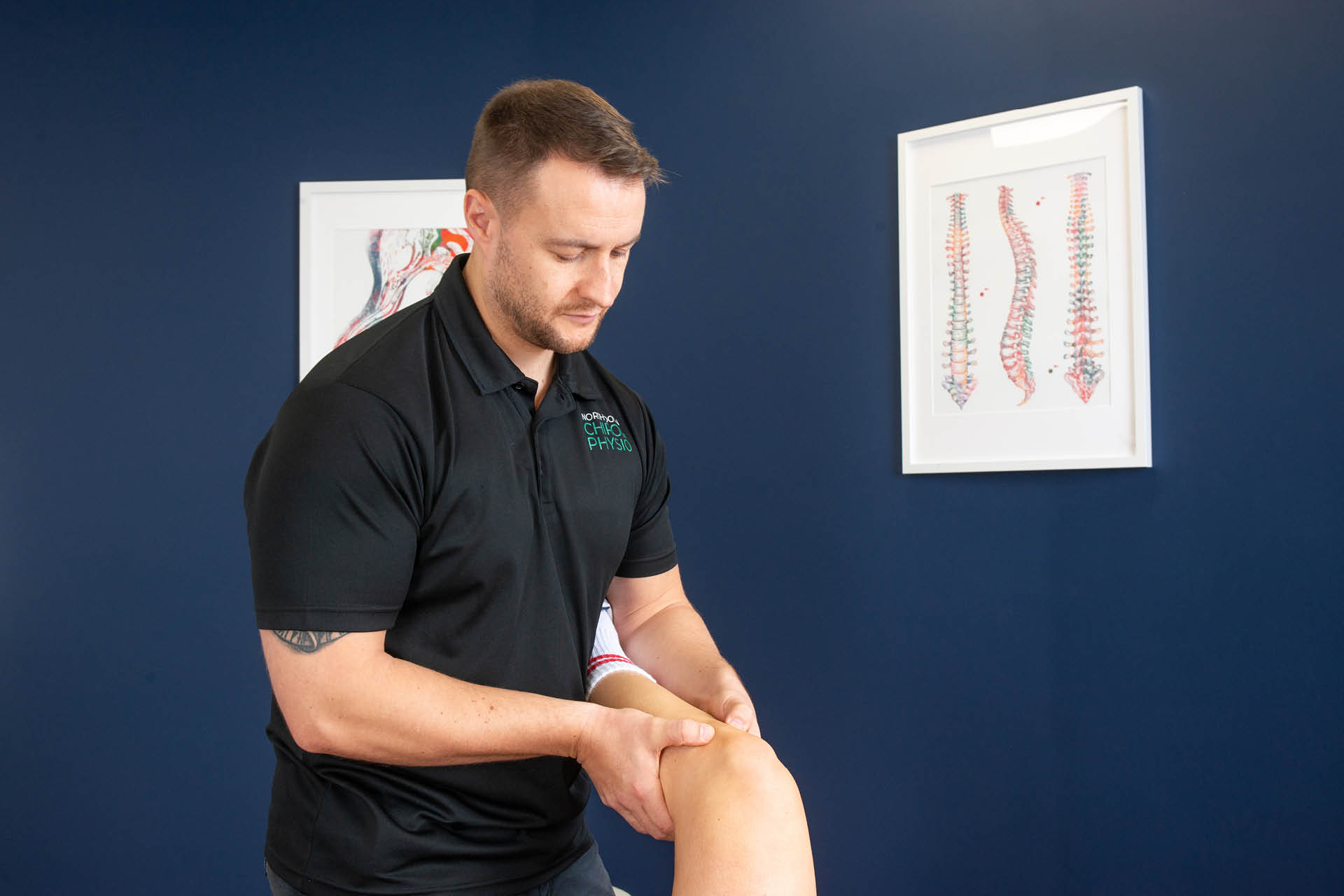
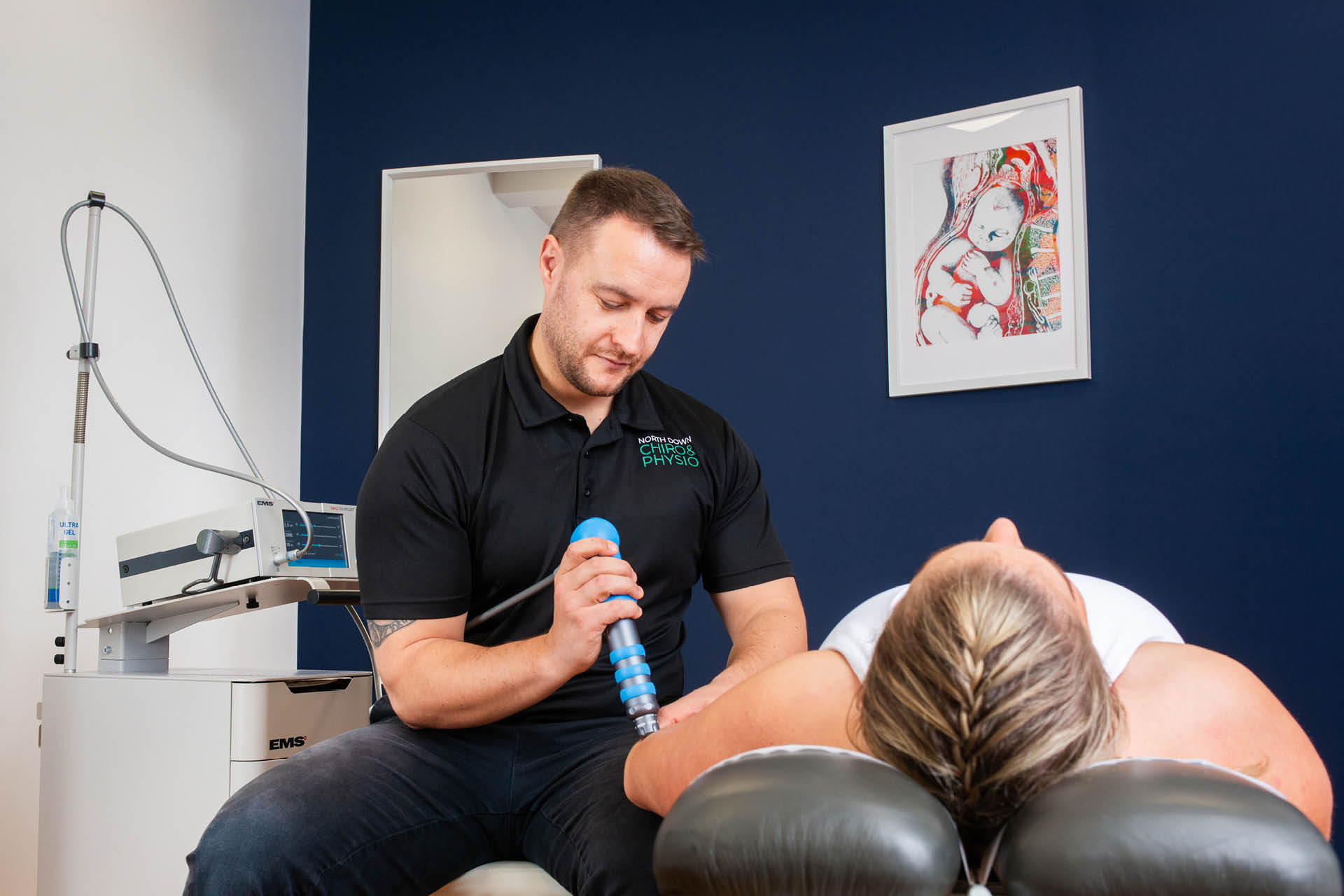
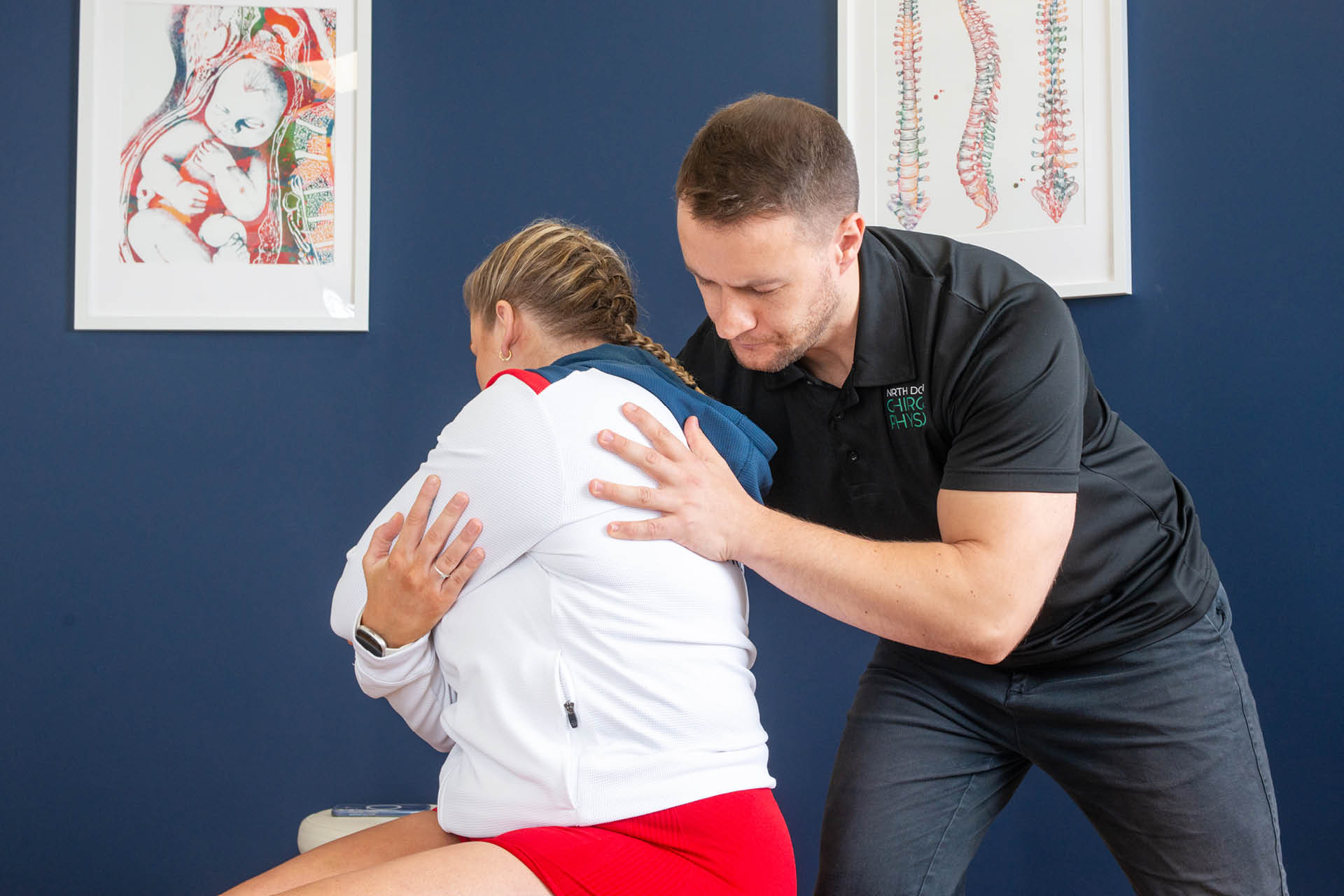
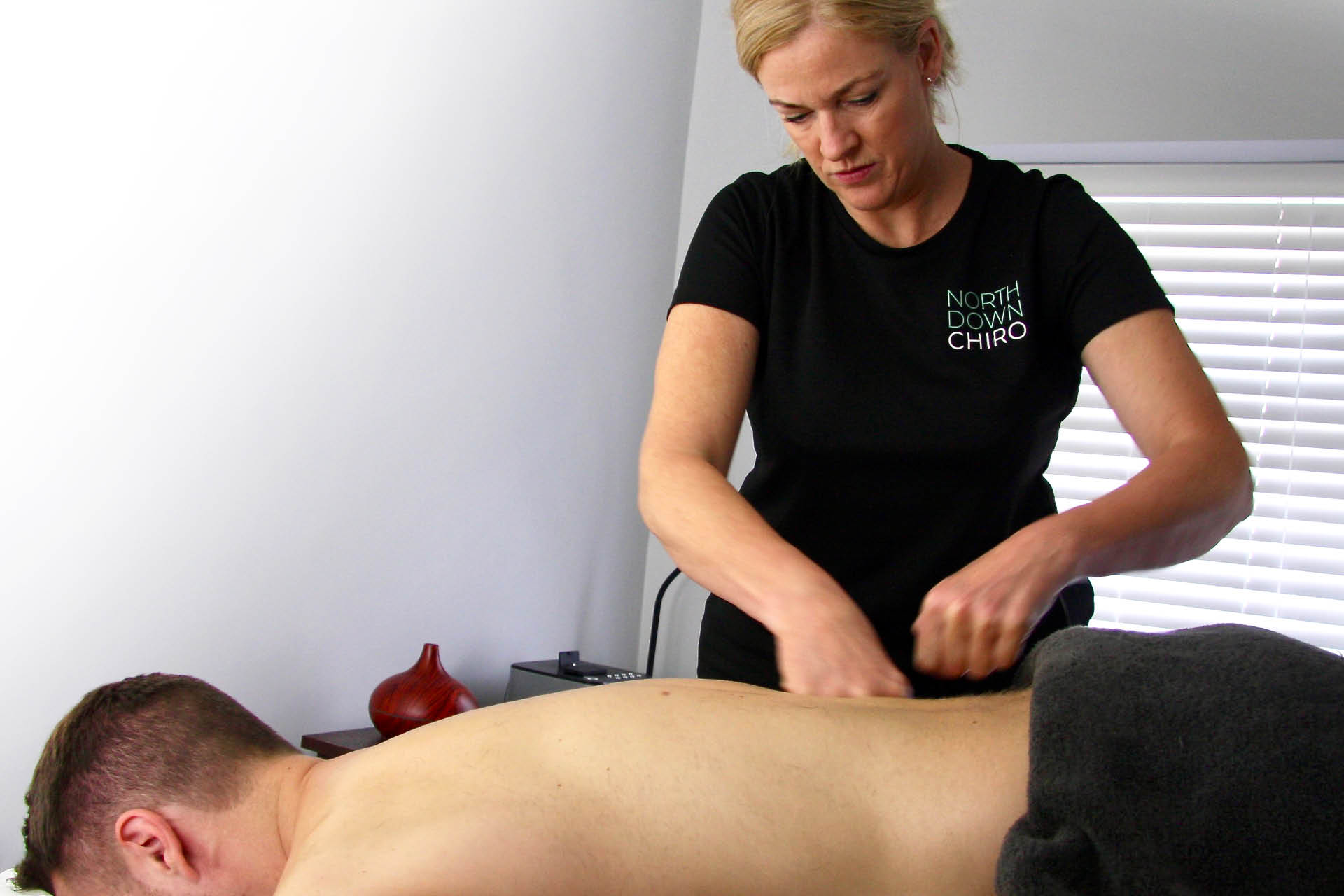
Your follow up treatments will usually comprise of hands on treatment such as joint manipulation, soft tissue techniques such as massage and active release techniques as well as exercise and lifestyle advice. Physiotherapy will often have a focus on active, patient centred exercise based approaches.
FAQS
What happens at a first physiotherapy appointment?
Are your physiotherapists registered?
Do you treat sports injuries?
What's the difference between a chiropractor and a physiotherapist?
What conditions does physiotherapy help with?


